
Indigenous peoples and traditional communities present climate solutions at COP 30
Side event in the Blue Zone highlights climate adaptation experiences developed in the territories
A crucial topic at the 30th Climate Conference in Belém (PA), climate adaptation by indigenous peoples and traditional communities will be discussed at the roundtable “Territorial Solutions for Climate,” which will take place on November 12, at 3 p.m., in Room 9 of the Blue Zone. The event is an initiative of the Rede de Cooperação Amazônica (RCA), the Instituto Socioambiental (ISA), and Operação Amazônia Nativa (OPAN).
The event aims to connect the on-premises solution, and resilient, with a discussion of the global influence the negotiations over the future of the fit. “In a context in which the adaptation is emerging as a central theme, it is crucial to acknowledge and integrate the knowledge and actions of these groups, who are most vulnerable to the impacts of climate change,” says Andreas Fanzeres, co-ordinator of the Rights of Indigenous people of OPAN.
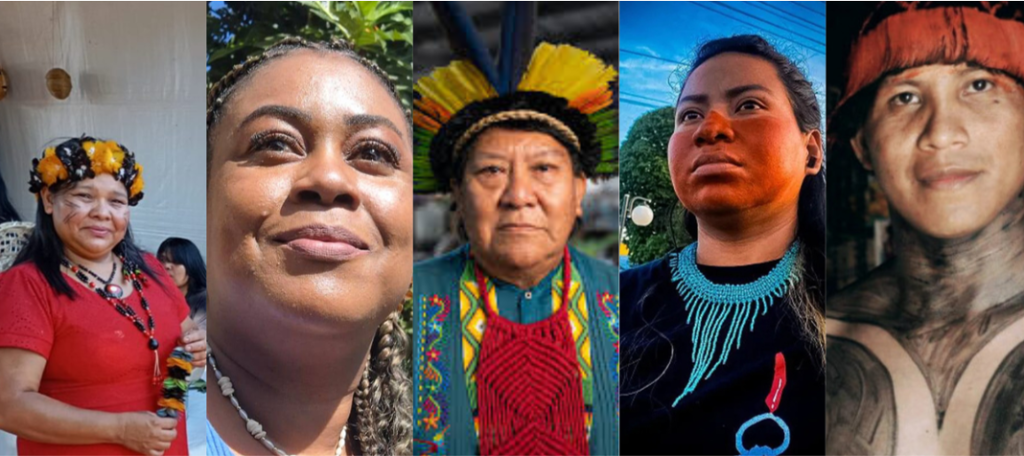
The panel will feature indigenous and quilombola leaders from different territories and generations. Davi Kopenawa, from the Hutukara Yanomami Association (Amazonas and Roraima); Cleide Terena, from the Thutalinãnsu Association of Indigenous Women of the Tirecatinga Indigenous Land (Mato Grosso); Luene Karipuna, from the Association of Indigenous Women in Mutirão (Acre); Katia Penha, from the National Coordination of Rural Black Quilombola Communities (ES); and Ewesh Yawalapiti Waurá, from the Xingu+ Network (MT).
Connecting to on-premises solutions to the global agenda
The meeting will focus on not only their practices of indigenous peoples and traditional communities to adapt to the territories, but his strategy for the development of the tools of management are linked to climate change, which is already a reality in their lives, such as severe drought, floods and food insecurity.
At the same time, it’s the table you want to connect the experiences with the debate about the Purpose of the Global Adjustment (GGA), which is one of the central themes of the decision to the COP for 30. The idea is to show that all the solutions developed in the communities, not only to respond to the impacts of the area, but also contribute to the overall goals of the adaptation and resilience.
“We hope to qualify for the debate on adaptation to climate protection, in support of profiling in the context of global climate change from the time of the territories in the amazon, to connect with the various entities involved in the event, the discussions and the actors and actress in global and influence on the negotiation of the Convention of the United Nations Framework on Climate Change (UNFCCC, in short,’ says Ciro Brito, socioenvironmental analyst at ISA.
Listening is essential to ensure that the global adaptation framework reflects the specific needs and contributions of indigenous peoples and traditional communities. “We constantly observe changes in the territory and have been learning from it, even though the impacts are extremely serious. So I believe that these are the best examples of climate change adaptation strategies based on traditional knowledge of our territory,” says Luene Karipuna, also a representative of the RCA.
Service
Table ‘ Territorial Solutions to the Climate in the COP30
Date: 12/11
Time: 15 p.m.
Location: the Blue Zone – a living Room 9
Panelists:
– Davi Kopenawa – Hutukara Associação Yanomami
– Cleide Availability, the Association Thutalinãnsu of native american Women of the Earth Native Tirecatinga
– Luene the Karipuna – Association of native american Women at Work (AMIM)
– ending theme song the Rock – co-Ordination of the National Liaison to the Black community in Rural Quilombo (Conaq)
– Ewesh Yawalapiti Waurá – Web – Xingu+
Organizer: RCA (ISA) and the OPAN
Partners:the Network of Xingu, in the Conaq Association Thutalinãnsu, Hutukara, and AMIM