
The demarcation of indigenous land, as the politics of climate change: the minister, Sonia Guajajara, spear, PPTI the COP30
The initiative provides resources that are specific to the line, and the strengthening of indigenous organizations, and the management of environmental and spatial
Helena Corezomaé/OPAN
Minister of Indigenous Peoples ‘(MPI),, Sonia Guajajara, pointed out on Wednesday (the 19th) at the launch of the Programme for the Protection of the Lands and peoples ‘ rights (PPTI) at the Conference on the Climate of the United Nations, COP30), in Belém, which is the main purpose of the program and the indigenous movement is that the demarcation of Indigenous Lands to be recognized in the final text of the COP, as the political climate is essential.
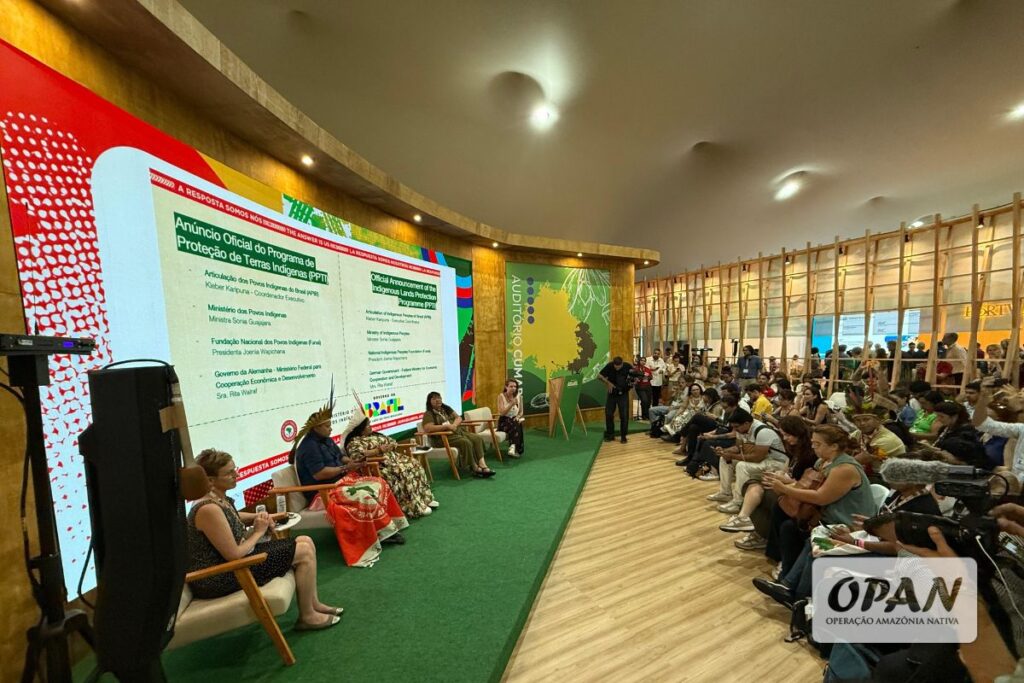
The all-new PPTI, which shall go into effect as early as next year, and will be managing three-dimensional model, and is shared between the indigenous movement and the Government of brazil and the partners of the international co-operation. The initiative provides resources that are specific to the line, and the strengthening of indigenous organizations, and the management of the environment and the territory.
The PPTI), built in partnership with the Articulation of the Indigenous Peoples of Brazil (APIB), and the co-operation of the German, it aims to set an instance, three-dimensional model, with the Government, and the movement of the indian, that it may in fact recognize, draw, and protect the indigenous territories in the united states.”
The prime minister of the new PPTI an increase from the previous Program to protect the Lands of Indigenous peoples of the Amazon (PPTAL), which was created in the late 90’s, after the Eco92. The PPTAL it was a program that ran between 1996 and 2008, which aimed to improve the protection of the land and the indigenous people in the amazon region. He was part of a Pilot Program to conserve the rain Forests of Brazil (PPG7), and focused on actions, such as increasing the protection of natural resources, and the regulation of the lands of indigenous peoples and studies etnoecológicos to assist in the management of the territory.
Appointments and challenges for the year 2030
, The minister also has the highest participation of the indigenous population of the story to the COPs and all the important announcements made by the australian government, acknowledging that the charter of the indigenous center of the global debate.
On Monday (17), and in Brazil, has entered into a commitment to the international to protect and 63 million hectares of land in the area. From these a total of 59.5 million hectares are now under the responsibility of the MPI, the National Foundation for Indigenous Peoples (Funai) and the Ministry of Justice and Public Security.
Sonia Guajajara, pointed out that such a commitment is being implemented through a package of measures, and the recent one that includes the development of new technical sub-groups (Wgs), and approval of Reports on the Details of the Discovery and Delineation (RCID) and the declaration of a new Indigenous Lands, in order to ensure the goal of the 59.5 million hectares under protection by 2030.
Final appeal: the marking is the type of weather
In spite of the advances of the home, and the immediate challenge is to ensure the international recognition of our staff. The minister has made an urgent appeal to the delegates of the COP30: ‘We are just three days left for us to be able to sell in the text of the final delimitation and demarcation of indigenous lands, such as in a political climate”.
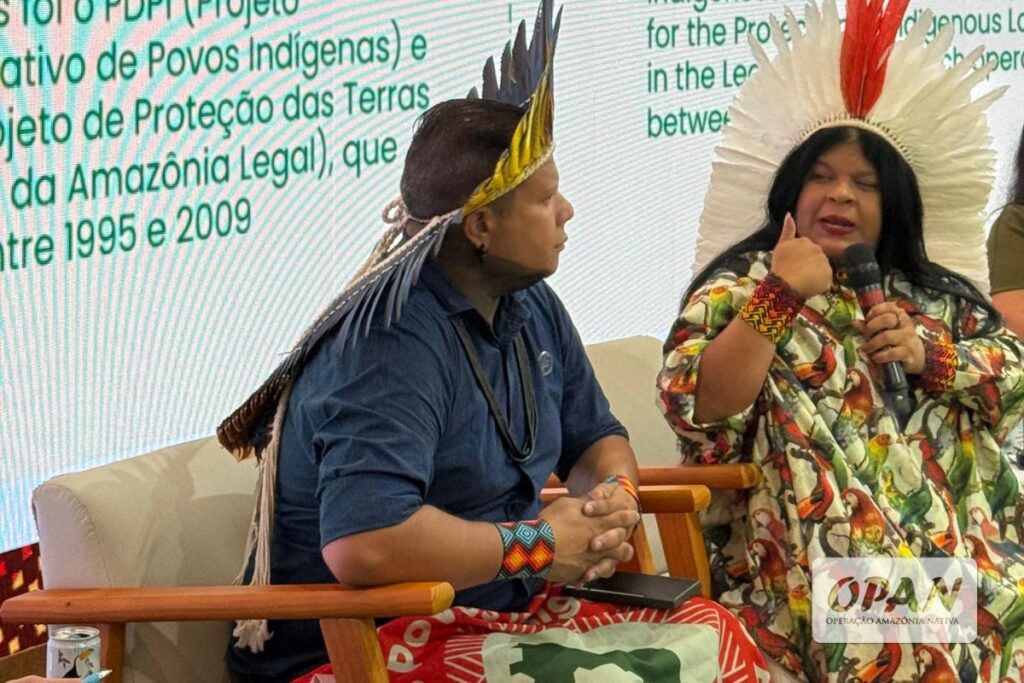
Sonia Guajajara, he ended his speech by emphasizing the link between property rights and the future of the planet, ‘The demarcation of indigenous lands is one of the conditions prevailing, which is essential if you want to do with the climate justice for indigenous peoples and for the actual addressing the climate crisis”.