
Indigenous leaders denounce horrors of the dictatorship
In this indigenous April, leaders of the Tapayuna, Kawaiwete (Kayabi) and Xavante people reported crimes committed during the military dictatorship and demand recognition of the indigenous genocide that took place during the period.
AI generated audio
by Helena Corezomaé/Opan, with contributions from Larissa Silva, from Rede Juruena Vivo
“Every day my elders weep to return to their territory. I need your support so that we can return to our land,” declared chief Yaiku Suya Tapayuna during a public hearing at the Commission on Human Rights, Minorities and Racial Equality of the Chamber of Deputies, carried out last Wednesday (8).
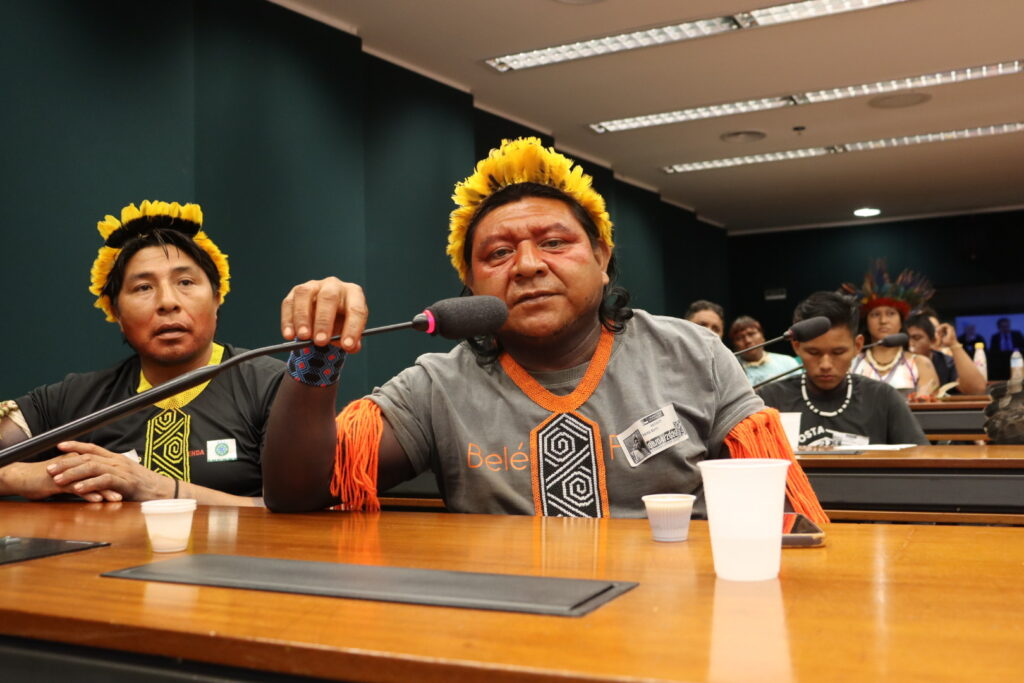
During the Indigenous April, survivors and descendants of the Tapayuna peoples, Kawaiwete (Kayabi) and Xavante reported crimes committed by the state and the government of Mato Grosso during the military dictatorship, demanding that the transitional justice in Brazil finally recognizes the indigenous genocide.
The audience exposed the wounds of communities victimized by a systematic policy of forced removal and extermination to make way for ‘progress’ and agribusiness.
In his account, the Yaiku leadership also described how the purposeful introduction of diseases was used as a biological weapon to take its people out of the territory in 1970, in the northwest of Mato Grosso.
“To expel the Tapayuna, they used the disease.Bad connectionAnd there was poisoning. Then they took sick people to finish the people. Of a thousand people, only 41 were left. Many disappeared and we didn’t have time to bury our leaders. Today, the farmers profit from our cemetery”, he denounced.
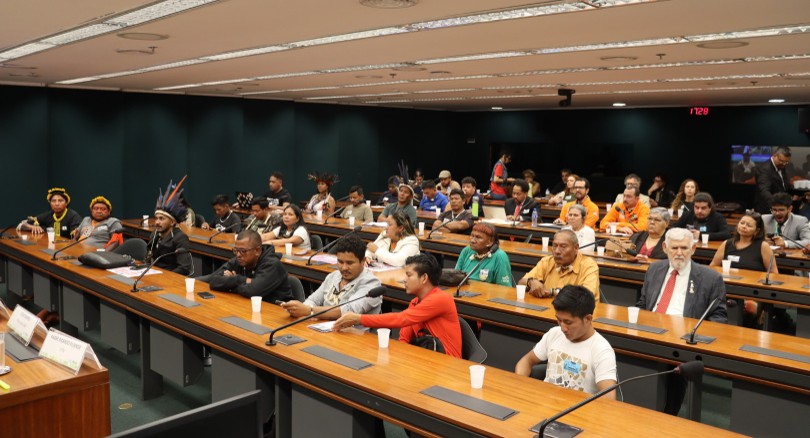
Lawyer Brisa Souza, from Operação Amazônia Nativa (OPAN), classified the period as a true ‘extermination gear’. According to her, current reparations are insufficient.
“These peoples are not only survivors, they are living witnesses. They suffered unspeakable horrors: they were poisoned by arsenic in sugar, anta-beef with poison and used as slave labor. We cannot speak of transitional justice without the recognition of these horrors and the demarcation of their territories”, said Brisa.
Brisa also defended the indigenous movement’s claim that a National Indigenous Commission of Truth be created, an essential step for the moral, psychological and financial reparation of these communities.
For the Xavante people, the transfer of the ancestral territory of Marãiwatsédé to the São Marcos reserve in 1966 culminated in the death of hundreds of relatives. At the hearing, chief Damião Paridzané recalled the scenario of devastation that followed the forced removal.
‘We were taken to the São Marcos Reserve. A day later, the disease appeared. 150 of our brothers died, they made a big hole where people played during the day and night. The dictatorship was made just to screw the Brazilian people.[Marãiwatsédé], but it was difficult, and we found it devastated”, lamented Damião.
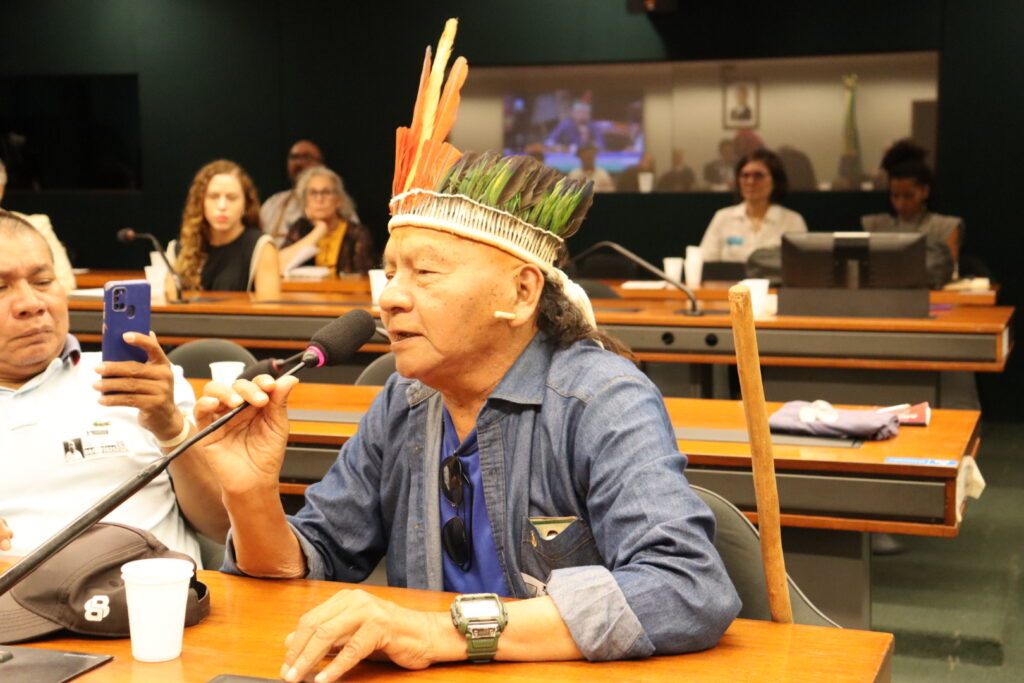
Chief Dionísio Kayabi, on the other hand, brought the testimony of direct military violence, reporting the trauma of seeing his people forcibly embarked on aircraft at gunpoint.
‘They took our people on a gun plane with their heads, and that hurts for us. Today, we cannot visit our cemetery in the homeland because the big farmers do not let it. They benefit from our sacred land, planting large-scale crops and removing wood. true owners of Brazil and we want them to respect our right to return”.
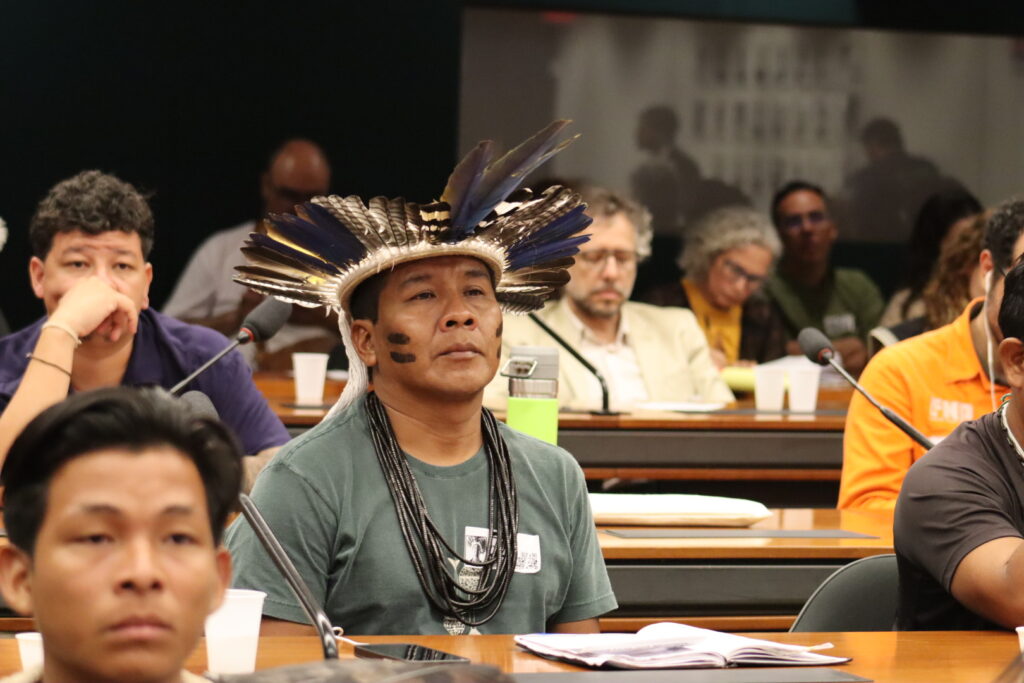
The Kayabi leadership ended with an appeal to the Federal Government and the Legislature for the defense of indigenous rights to be transformed into concrete actions.
The demarcation of TI Batelão (Kayabi) and the return of the Tapayuna to the traditional territory remain the main debts of a state that still needs to learn to listen and repair the violations committed against the original peoples.