
Act in memory of Brother Vicente Cañas
Report of the indigenist and anthropologist Ivo Schroeder*
AI generated audio
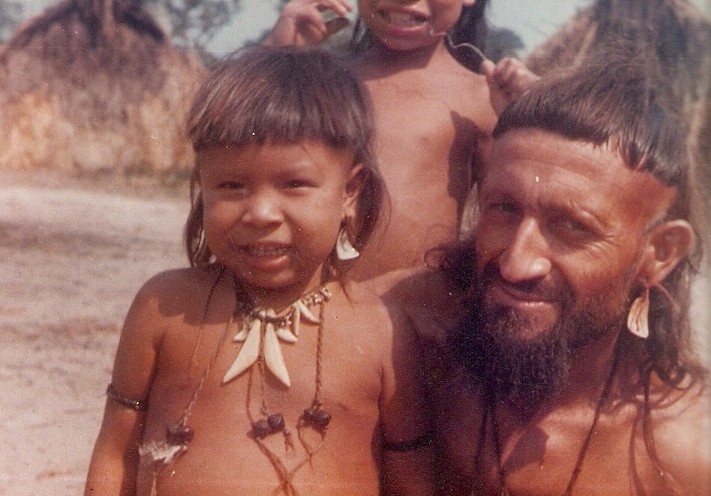
The celebration of the death and resurrection of the missionary Vicente Cañas Kiwxi, at the Passover festivities in April 2026, was an initiative of the Jesuits, the Diocese of Juína, indigenous and Cimi missionaries. of OPAN, with emphasis on the presence of 4 Spanish nieces from Vicente. In addition to celebrations in Cuiabá and Juína, a delegation went to the village and from there to the shack of Vicente, where he was killed and is buried.
of Vicente’s missionary and indigenist life trajectory, his insertion in the then Anchieta Mission stands out, still at the end of the 1960s, in particular with the Tapayuna peoples (Beiço de Pau), then it seemed, Myky and finally with the Enawene-Nawe.
In its time, several innovative missionary experiences, including the Anchieta Mission, the Prelature of São Félix do Araguaia, as well as experiences in different parts of Brazil that, under the inspiration of the Second Vatican Council and the Medellín Conference (1968), radicalized their commitment to their respective peoples. A major impact also had the Declaration of Barbados I (1971), when at a symposium, an anthropologists group highlighted the permanence of a colonial relationship with the indigenous peoples, the massacres, theft of lands, destruction of cultures, among others, and pointed out the responsibility of the States, religious missions and anthropology and commitment to recognize the right to their territories, respect for culture, the right to organize themselves; finally, to favor the liberation of the indigenous.
It is important to recognize the innovative effort and practices already underway in the missionary and indigenist action, which came to inspire the lines of action of CIMI, consolidated in its 1st National Assembly in 1975. From now on, the performance of lay people and missionaries began to assume the unconditional defense of the rights to culture, to its own way of organizing itself, to the demarcation and guarantee of its territories.
Once the contact with the Enawene was completed in 1974, Vicente, through the incarnate and respectful presence, along with the assistance, was fully committed to the defense of his territory. From the outset, it had the presence of OPAN volunteers, especially for health care, language learning, along with the firm defense of territorial integrity.
Vicente maintained a point of support – known by the Vicente shack – on the way to the village, on the left bank of the Juruena River, already in indigenous territory, for a kind of sanitary quarantine, but already close to the tributaries where the Enawenê built their fishing dams. There he was martyred, in April 1987, as such we venerated him, an example of someone who fought until the end, having fulfilled his mission to the letter.
Trip to Vicente’s shack
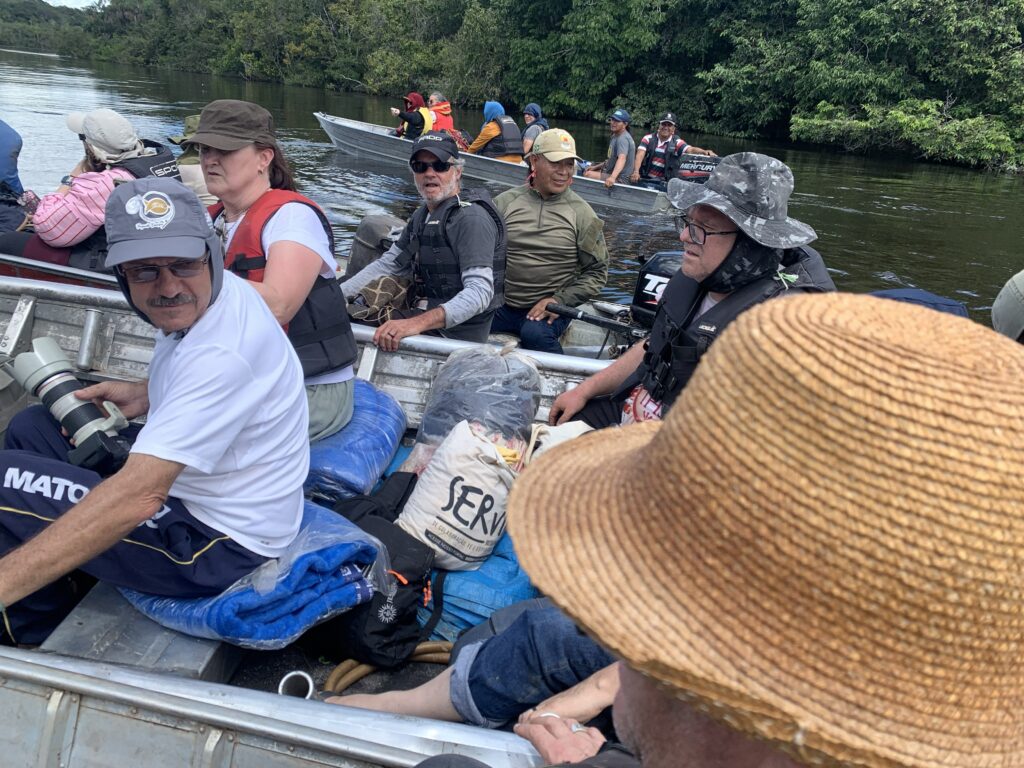
As stated above, this Easter, a delegation went to the village and from there in 5 boats, a group of 18 visitors and 11 Enawene Nawe descended the rivers Iquê, Camamaré and Juruena, landing in the shack. from Vicente at 1:30 pm on April 7, after a 3-hour trip. The shack had been subject to maintenance by the Enawene, was in good condition and from the outset Sebastião Moreira do Cimi-MT reported to those present how, together with Fr. Thomaz and Egon Heck from Cimi and a Myky (also Kiwxi), arrived in May 1987 at the scene of the crime, with the house in disarray and Vicente mummified at the back of the shack. Tião recalled telling his colleagues “life is fragile”. He also narrated how they recorded everything, without touching anything, and then they went to the Red Barranco where there was a radio, to communicate with Fr. Matias, the superior of the mission and with Fr. Iasi, who called the police authorities.
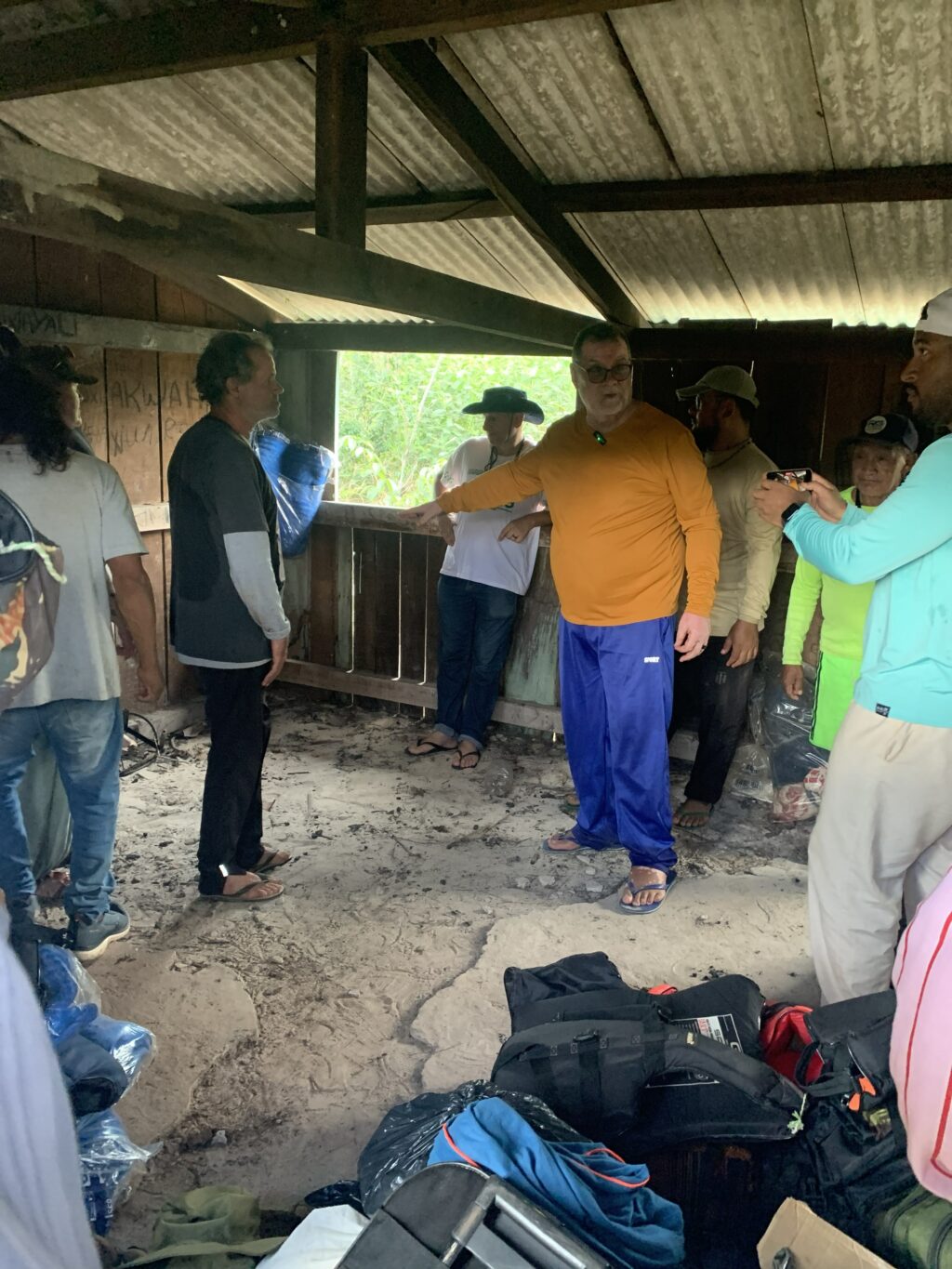
On the part of the entourage in a respectful attitude, we settle with our nets, some inside the shack and others in a tent covered with canvas immediately raised by the indigenous people. Good weather and sun, bathing in the river, the indigenous people went out to fish. It was only when it got dark that they returned, when we gathered around the tomb, which had been decorated by the indigenous people.
Speeches, prayers and songs. Those present manifested themselves, remembering that we were enlightened by the resurrection of Vincent who fell here and became a seed. The nieces remembered significant moments lived with the uncle, ‘we will always have him present in our hearts, your bravery and compassion, your memory is a beacon that guides us’.
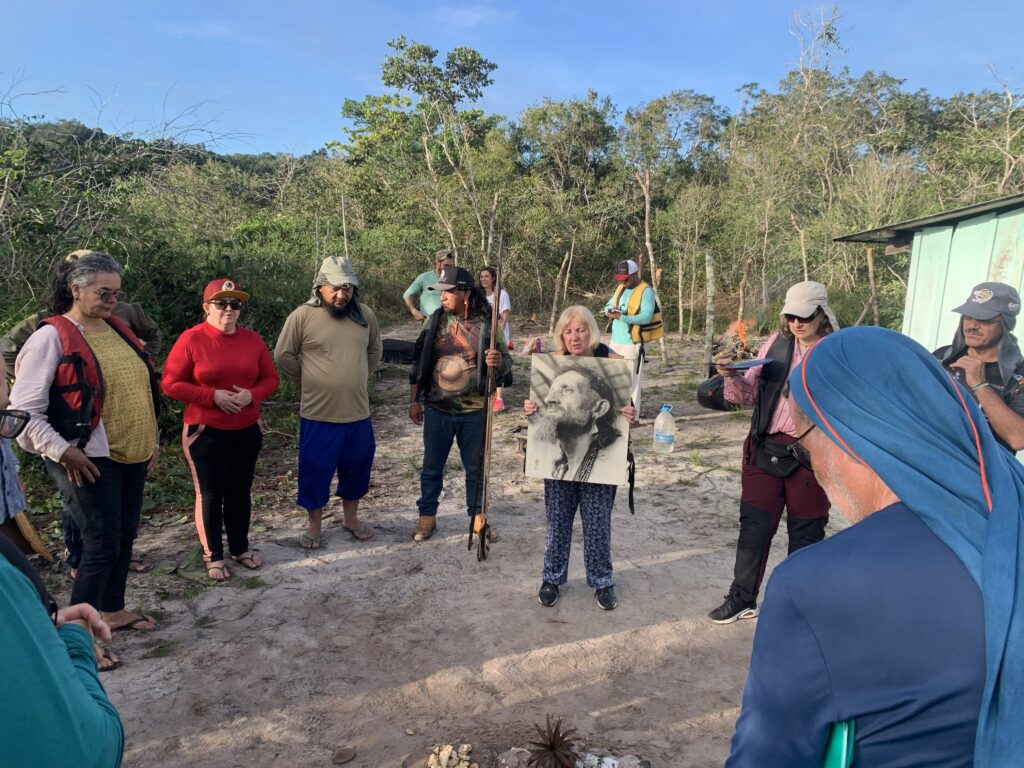
On the occasion, Vicente’s belongings were buried — his suitcase, the rosary (third), his knife and his documents — along with the skullcap, which for decades remained separated, as evidence in a judicial process. The Enawene-Nawe performed their farewell rituals according to their tradition, integrating this moment into their own way of understanding life, death and spiritual continuity, in a gesture that reaffirms memory and keeps alive the connection between the past and the present. I learned that Kodatenê (Clan Head) and Wawala (singer) led the opening of the grave, close to the grave of Vicente, the reception and accommodation of the suitcase with all the belongings at the bottom of the grave, its covering with earth, punching it Well, then prostrate himself to ritual weeping and prayers, while consternation and silent crying also took over those present. Someone conveyed the message from ‘Cacique never to move again, he said he doesn’t open it anymore, last time’.
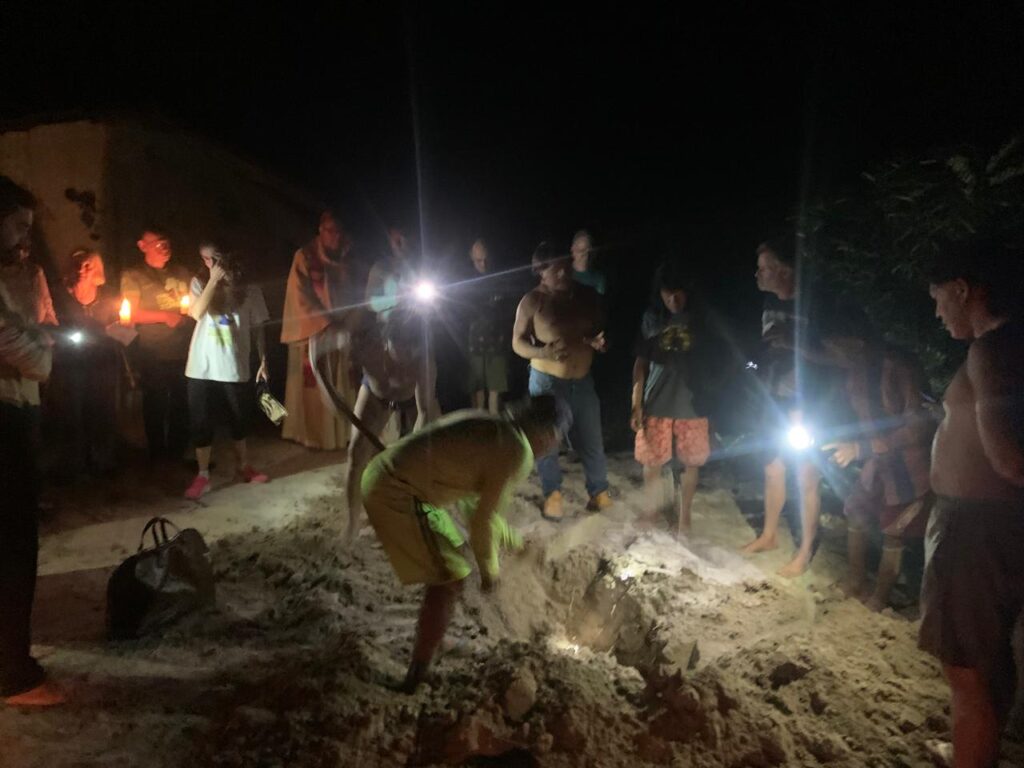
Later, in a long speech, the boss tried to explain how the family does here, ‘we pay for our area, bought a necklace, snail, jaguar’s tooth, hammock, hawk’s tail, we pay, gourd, just like white. They buried him himself here, family pays for someone else’. In short, it was about the burial payment tradition. It was clarified that the nieces forgot those present in Cuiabá and that Fausto would give them when he returned to the village.
Concluding
It remains to emphasize that it is about the definitive burial, when Vicente is completely with the Enawene who welcomed him, that he is his relative, he is part of his history, that his spirit rests in peace and no one else will mess with him. The same message passed on to the family of blood, the nieces present, a cycle was consumed, a moment to reassure the spirit.
Don Neri, Bishop of Juína, said he needs to hear, ‘I have to say that I’m going to do the homework, Vicente is a spiritual heritage, he fell for the indigenous cause. Brazil needs, within the Amazon and out of respect for the people, that we still have a lot to give. Vincent was decisive at the right time. The bishop also evaluated that the first miracle Vicente showed the truth, the turnaround (in the records) was the first miracle, we captured this message…
* Ivo Schroeder worked since 1972 with the OPAN/CIMI coordination in Porto Alegre. In 1976, he composed the Secretariat of the CIMI-DF, in 1979 the project in the Diocese of Corumbá with the Terena and Kadiweu peoples. He was part of Cimi-Sul in 1983 and in 1988 he returned to the OPAN coordination. In 1993 he did at UFMT on OPAN’s work with Parintintin and was in the presidency of the institution. In 2001 he did a doctorate on the Xerente people, at USP. Between 2006 and 2011 he resumed his work with the OPAN coordination and from 2012 to 2014 he was in charge of the quilombola communities regularization service at INCRA/MT.