The Local Communities and Indigenous Peoples Platform of the Climate Convention starts its 15th meeting of its facilitating working group
Representatives from the Indigenous Caucus and Local Communities indicate a strengthening of democratic participation within the Platform
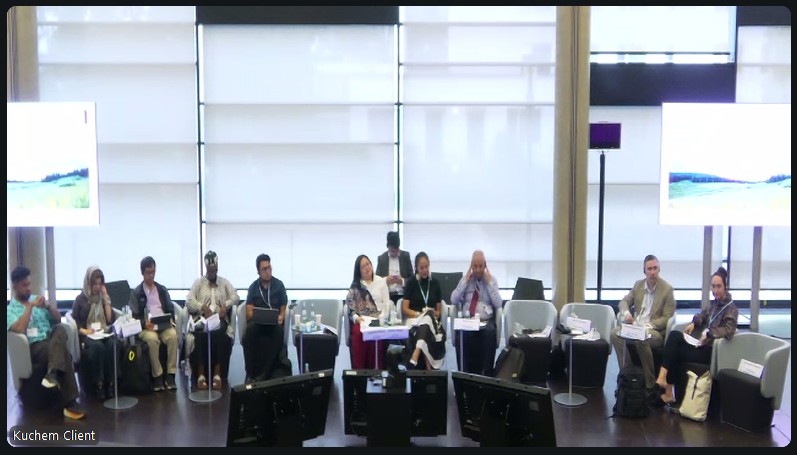
Today (02/06) began the 15th meeting of the Facilitating Working Group of the Local Communities and Indigenous Peoples Platform of the United Nations Framework Convention on Climate Change (UNFCCC), in Bonn, Germany. After a decade of activity, the Platform has been strengthening internally, still facing the challenge of being a space that appropriately represents the diversity of traditional and indigenous peoples worldwide.
At the opening of the event, the Director of Adaptation at UNFCCC, Youssef Nassaf, highlighted the relevance of monitoring the progress of the LCIPP, as well as ensuring that the advancements made through the Platform, which are reflected in the COP agreements, become concrete. “It is important for this group to ensure that these points do not become dormant. That the objectives not only appear in the definitions of the COPs, but that we can take action regarding them.”
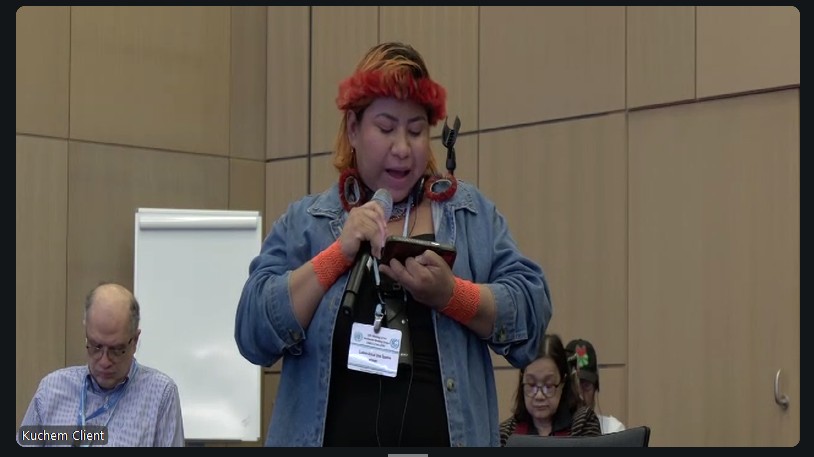
On behalf of the International Indigenous Peoples Forum on Climate Change, Indigenous Caucus Luene Karipuna from the Amazon Cooperation Network (RCA) characterized the distinguishing feature of the Platform compared to other spaces within UNFCCC, indicating the values by which it should be guided.
“The work of the LCIPP reminds us that climate solutions cannot be built solely through technology, financing, or public policies. They must also be constructed with respect, ethics, reciprocity, and with the understanding that Indigenous peoples are not just stakeholders in nature. We are part of it,” she stated.
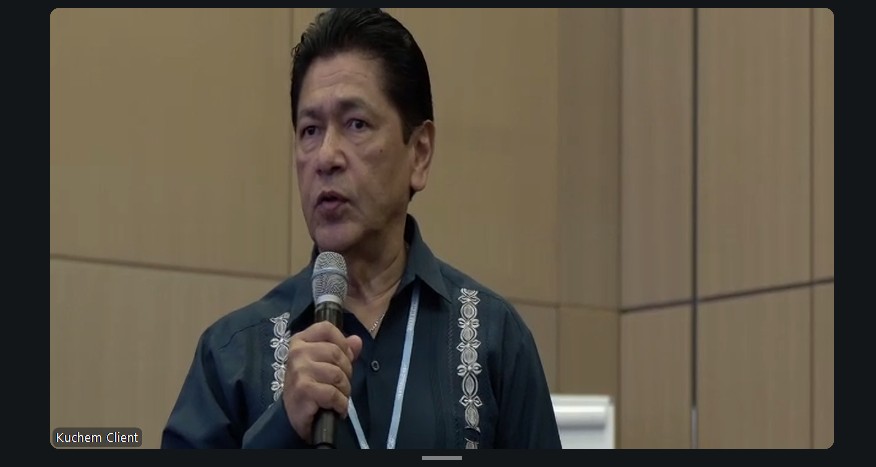
Representative of the Global Forum of Local Communities on Climate Change, the Local Communities Caucus launched during COP30 in Belém, Gustavo Sánchez from the Mexican Network of Forest Peasant Organizations (Rede Mocaf), reported on the coordinated and systematic work for the contributions of traditional peoples to the LCIPP.
“We will present recommendations to include local communities in the facilitator working group for the next work program in this space of the Platform for Local Communities and Indigenous Peoples,” he said, specifying the workshop aimed at the participation of local communities in UNFCCC, to be held next week, on the 8th, during the 64th meeting of the Subsidiary Bodies.
At this moment, the Platform is dedicated to fulfilling the Work Plan of Baku, COP29, with an execution period until 2027. The plan is organized into six main collective approaches (or axes): 1 – meeting of knowledge holders, 2 – regional meetings, 3 – roundtable of the seventh generation, 4 – collaboration with constituted bodies of the LCIPP, 5 – greater involvement with the Parties and 6 – overall planning of the platform.